
Idea
It's astonishing how fast things change. I often reminisce the good years, for me, 2010 to 2015. The social media boom: fresh, exciting, more human connection than vanity and advertising. I registered my Facebook in 2012, a bit late. Then Instagram came along. Then the game changer for us teens, Snapchat. And the ones who had the right DNA to capitalise on the opportunity made a fortune for their clients, and a small fortune for themselves.
The older I get, the less I use social media. It's become a place of false narrative, over-advertising, vanity posts, and violence. Too much information, short attention spans, general stupidity, online trends becoming either idiotic or dangerous.
And what about the agencies and companies themselves? Most of them chase the change, the next viral reel, the news flash no one will remember a week from now.
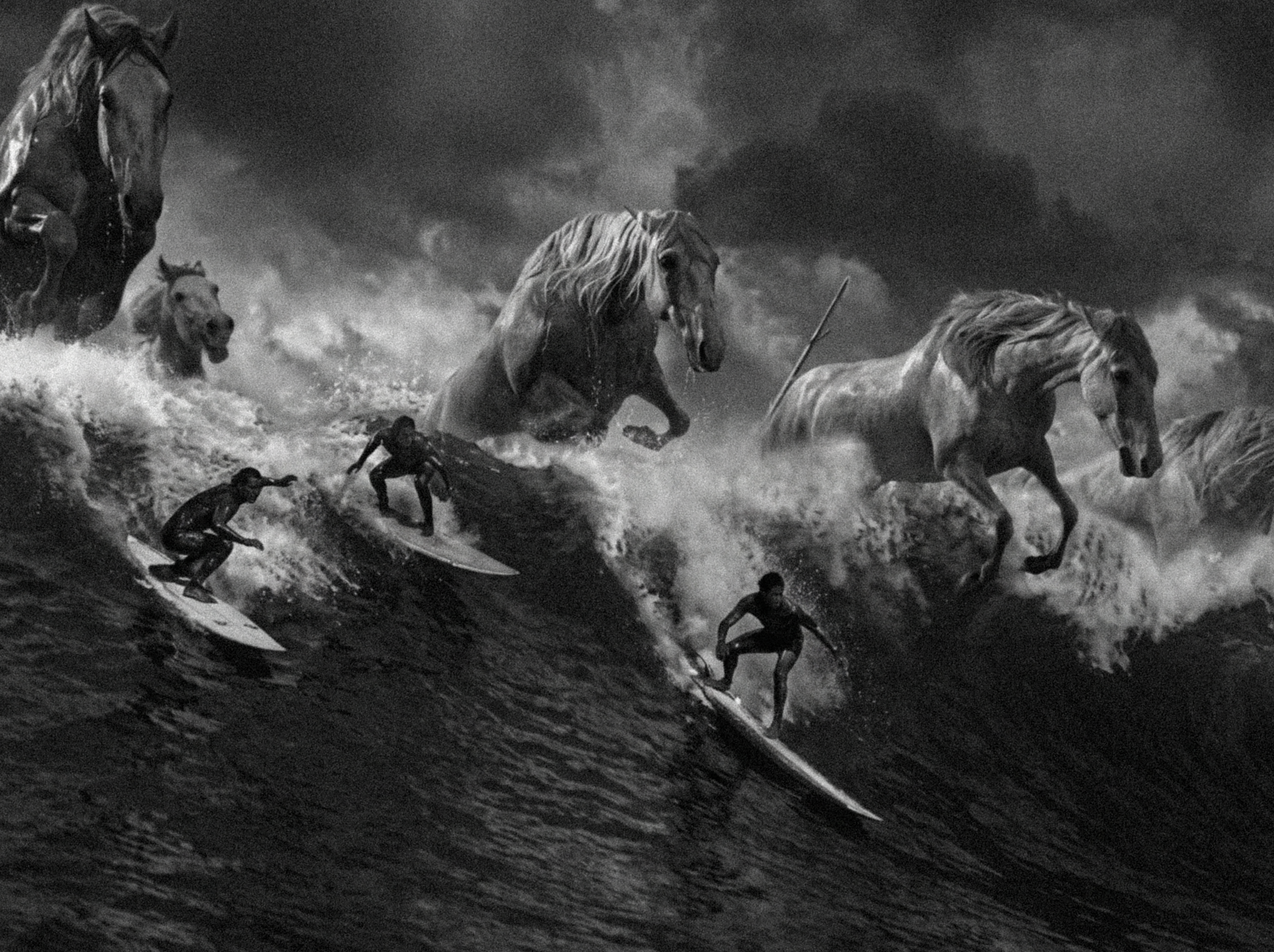
Ads used to be remembered. Old ads are often recited even now by some folks. Ads like The Surfer were pieces of art, and I commend the ones who still do so. But I don't see it being in the trends.
So I started wondering, how does this change impact the brand? Most have completely altered their attitude. In meetings with multibillion-dollar and mid-range companies, marketers are hesitant to approach creatives. “Performance works. Social media works. Why would I spend a 100k on creative and another 100k on ad spend, when I can do performance and make 4 to 10 x my ad spend?
Is this where we're heading? Are companies becoming as dumb and dull as the internet itself? And let's not forget the prophetic AI media takeover.
On the positive side, there are still companies who dare to dream. Companies like Ford Motor Company with their latest campaign "Born to Compete" by the incredible Wieden+Kennedy Portland
Or adidas with Backyard Legends by LOLA USA
Brave teams who understand the human need to connect. To me, a company advertises right when they create meaningful communication for their customers, when they make them feel heard, seen, value their time, and create content that speaks straight to their hearts, not chasing after trends. In fact, companies that do exactly that usually create work that stands out and sets the tone in the market. These are the people I want to work with, at least.
And no, I am not against performance, as annoying as it is, it is effective to drive in sales. But without creative by its side, it's more of a risk than a strength long term. On the opposite side, when partnered with great, targeted creative, it's a money machine.
I don't mean to criticise businesses trying to adapt and make ends meet, after all not everyone has the big budgets and teams to execute on glossy ideas. (Alhough it turns out you might not even need that nowadays… take a look at what Tycho Luijten is doing in the B2B space.) All I'm trying to do is reframe the intention, from "let's make ads to sell," to "let's make ads that speak to our customers' and communities', and sell."
Written by
Goulielmos Dermon
Creative Director

Read Also

From idea to Impact: Our Approach to Production

The Hidden Value of Young Creative Teams

Why Storytelling Wins: The Future of Brand Communication.

Abandoning creativity is professional suicide.

Ten Ad Tactics That Will Still Work When Everyone Else Gets Ignored.